[Employee Interview] Creating Value Through Printing Presses ("metro min." April Issue)
20 May 2026
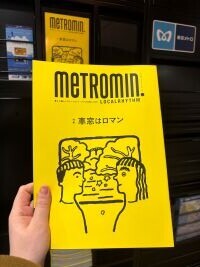
This article was originally published in metro min., a free magazine distributed at Tokyo Metro stations in Japan. It was produced as part of a series that visits professionals who work with a smile, exploring their perspectives on the value of work.
Japanese‑born Technology Supporting the World
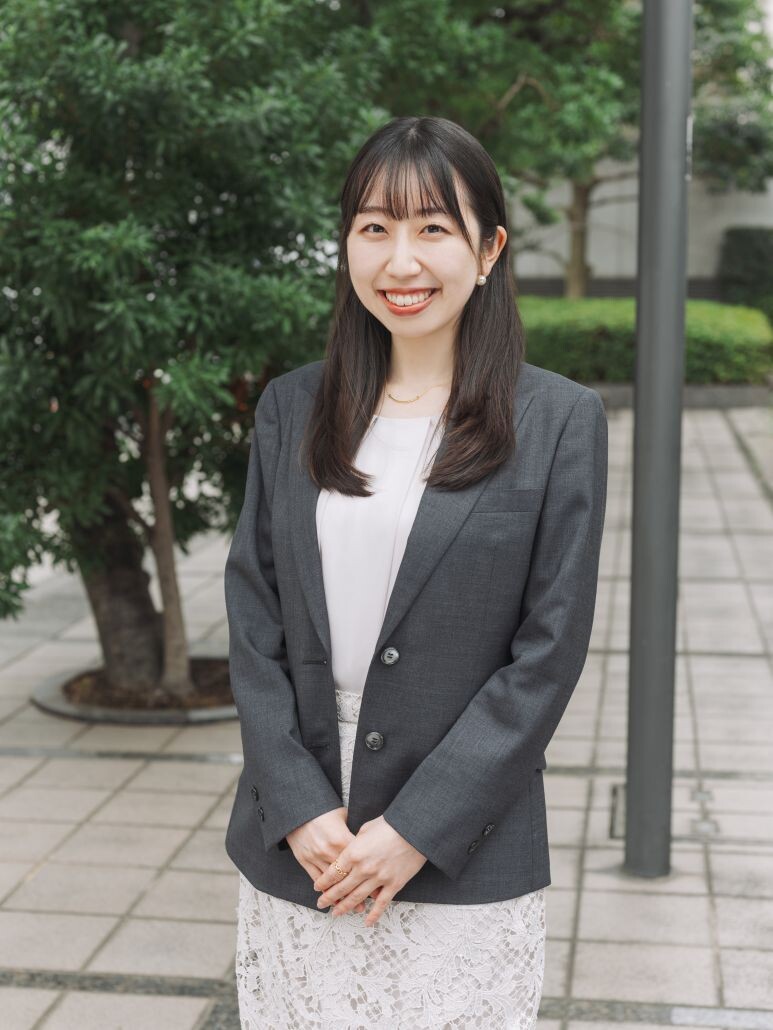
Security Press Business Group
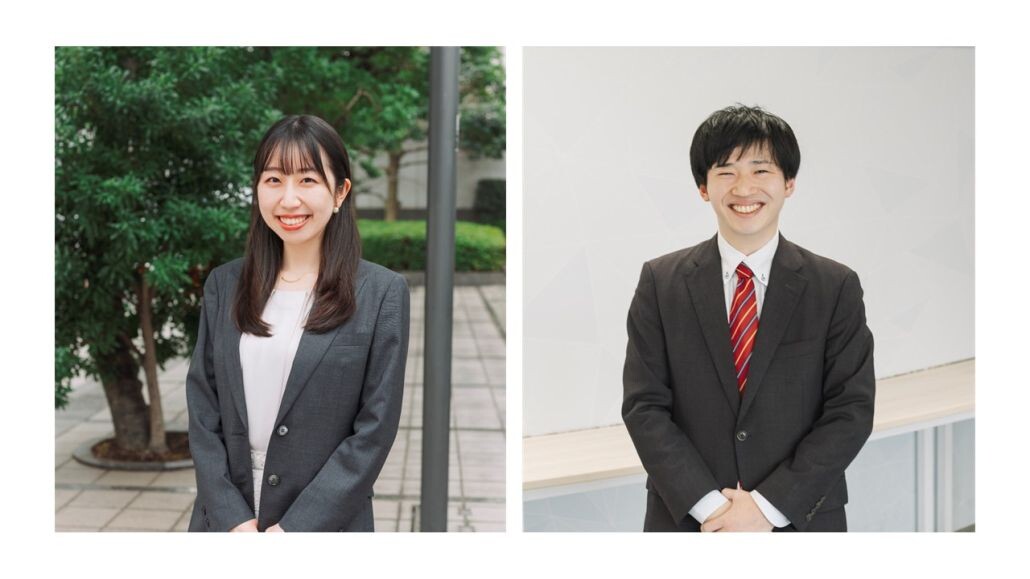
Kumiko Matsushima
Komori is not a "printing company," but a manufacturer of printing presses. We design and build the machines that create the countless printed materials found around us every day--books, posters, packaging, and more. In particular, our security printing technologies for banknotes, passports, and other secure documents are regarded as world‑class. We spoke with Ms. Matsushima from the Security Press Business Group about the behind‑the‑scenes world of banknote printing--something familiar, yet surprisingly unknown.
Matsushima: I wanted to work in a role where I could use my English and be active on a global stage, which is why I chose this company.
Two years ago in 2023 I transferred to my current department, where I am responsible for the sales of security printing presses to customers in the United States, Canada, and Malta.
A single banknote incorporates many highsecurity features, such as holograms and watermarks. Japanese banknotes are known for their exceptionally high printing standards and resistance to counterfeiting. Because of this quality, our printing presses are used not only for Japanese banknotes and passports, but also for those printed overseas. There is only one major competitor, based in Germany. In fact, almost all of the world's banknotes are printed using presses made by just these two companies.
In each country, banknote printing is handled by different organizations--including central banks, national printing bureaus, or private companies. Printing press sales are generally conducted through bidding processes, and my role is to propose technologies that help realize our customers' goals and support their success.Once an order is secured, I work closely with engineers to provide end‑to‑end support--from installation to training--so that printing operations can smoothly begin at the customer's site.
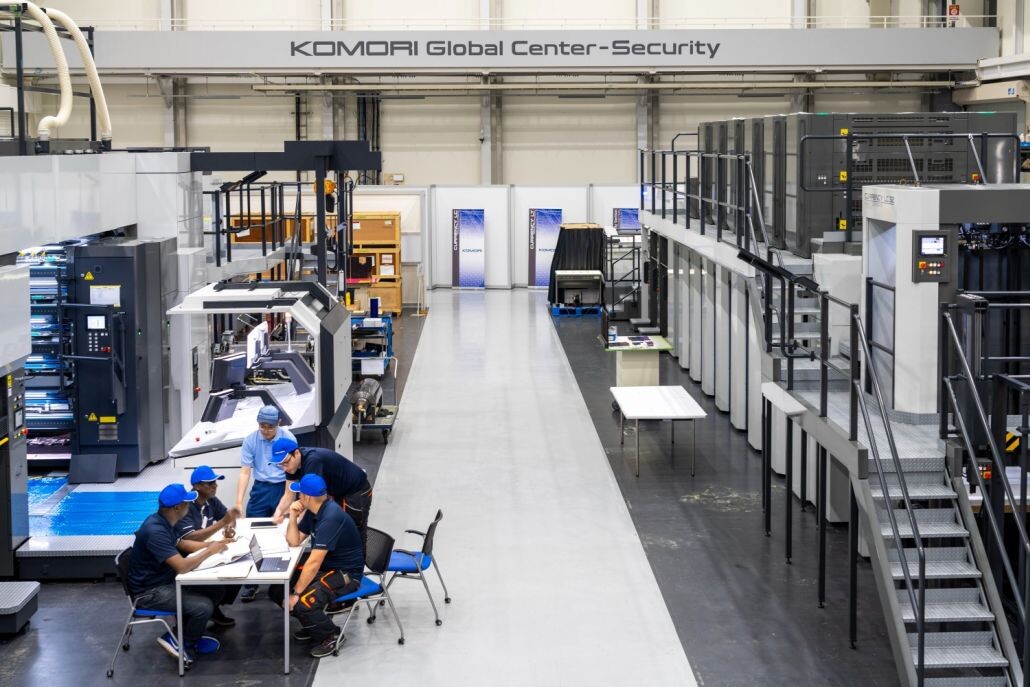
At KGC‑S (Komori Global Center‑Security), demonstrations, training sessions, and research and development for banknote and passport printing are carried out. Sales teams and engineers work side by side every day, listening carefully to our customers' voices.
The greatest challenge in banknote printing is producing non‑counterfeitable printed materials with consistently stable quality. Since defective products can never be released into circulation, it is crucial to propose highly accurate inspection systems and to address customers' challenges directly.
Of course, technical excellence is important--but our true strength lies in our people. We take pride in staying close to our customers and working together as one team until the very end. Rather than competing on printing equipment alone, Komori places the highest value on communication--this is a key part of our company culture.
Currently, my main focus is on the sales of passport printing presses. Every time I visit an airport on a business trip, I feel a sense of pride knowing that these passports are produced using our own printing technology. Passports and banknotes, after all, are simply pieces of paper--but it is our printing technology that gives them value. When Japanese passports are shown overseas, they are rarely suspected of being counterfeit. This reflects the deep trust that has been built through years of accumulated technology and expertise. Sometimes these documents serve as proof of an individual's identity; at the same time, they become the means to obtain something of value. I feel both a sense of fulfillment and responsibility in the fact that we are literally printing value.
Even as cashless payments spread and banknote production decreases in some countries, physical paper continues to provide irreplaceable sense of security. I am proud of the technology developed in Japan, and I hope to continue sharing the appeal of our products with the world.
Creating Work That Only People Can Do, with the Help of AI
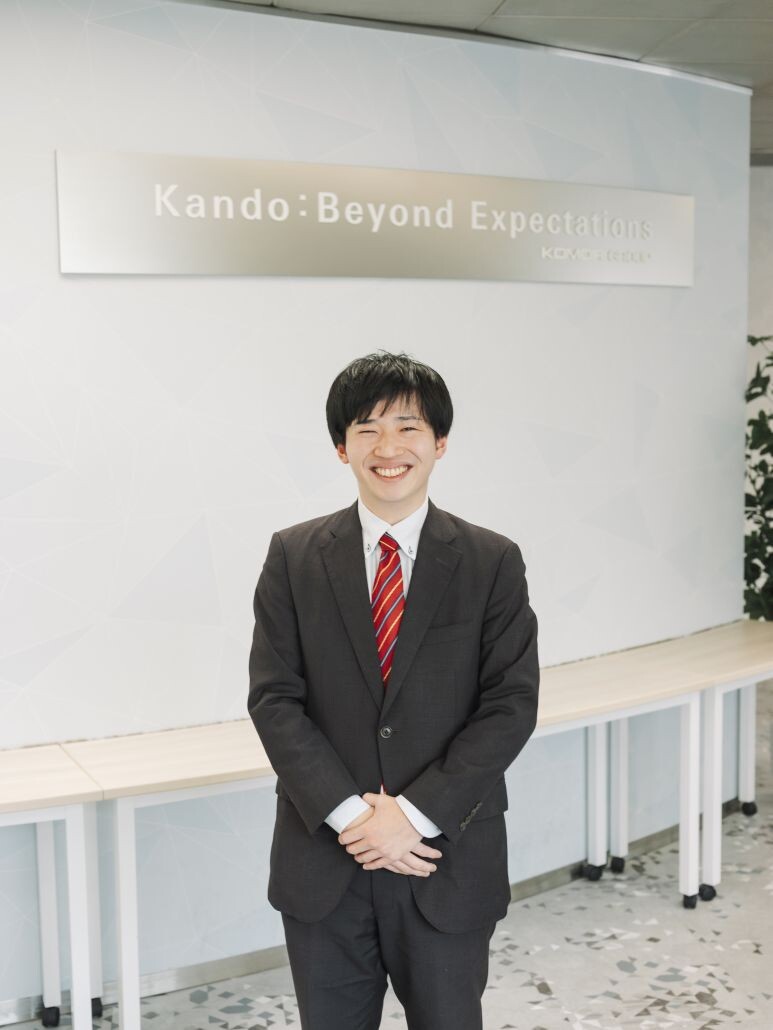
Brand Communication Department
Hideaki Ishibashi
Delivering Kando "beyond expectations"
While continuing its long-established business Komori is also embracing new initiatives--such as the introduction of AI--across the organization. We spoke with Mr. Ishibashi, who is responsible for corporate and product promotion, about his perspective on work that leverages digital technology.
Ishibashi: "To deliver our printing presses to customers, the Brand Communication Department is responsible for branding and promotion for both the company and its products.
Printing presses are a major investment for our customers--they are expensive and not something purchased lightly. My role is to serve as a bridge, easing their concerns and helping them feel confident in making that decision."
One of the key initiatives currently underway is the proposal of a "smart factory" concept.Rather than focusing on individual printing presses solely, this approach involves reexamining the entire production process--from order intake to shipment--with the goal of producing printed materials more efficiently than ever before.
As the costs associated with printing continue to rise, we constantly ask ourselves what truly supports our customers at a fundamental level. Beyond simply developing high-quality printing presses, we consider what more we can do to support them.
One initiative that began within the company last year was a contest focused on ideas for leveraging AI in daily work. Our department proposed a system that uses AI to generate designs that closely resemble actual printed materials, to be used during printing press demonstrations for customers. In many cases, publications and product packaging cannot be test-printed in advance. By applying AI technology, we aim to help customers visualize images that are much closer to the final product.
In recent years, we have also placed greater emphasis on producing video content. By creating promotional videos that clearly communicate specific product features, we aim to connect more effectively with customers' purchasing motivations. Within the team, we are steadily developing our video editing skills as well.
Although we are a company with a long history, we also have a light, flexible culture that allows new ideas like these to be put into practice.
This mindset closely aligns with our management philosophy of "Kando- 'beyond expectations'"
As relationships with our customers--built through printing presses--continue over decades, we strive to stay close to them with sincerity, while offering proposals that go beyond expectations and deliver Kando. By continuing to harness the power of AI and digital technologies, we will keep valuing people and creating work that only we can do.
What the Company Does to Bring Smiles to Employees "ACTIONS TO MAKE YOU SMILE"
① : Delivering Seasonal Enjoyment at the Employee Cafeteria

With a wide variety of daily menu options, the cafeteria has become a relaxing place for employees. Many look forward to lunchtime every single day. Seasonal touches are thoughtfully incorporated into the menu. This is a benefit designed with employees' well-being in mind.
② : Supporting Diverse Ways of Working

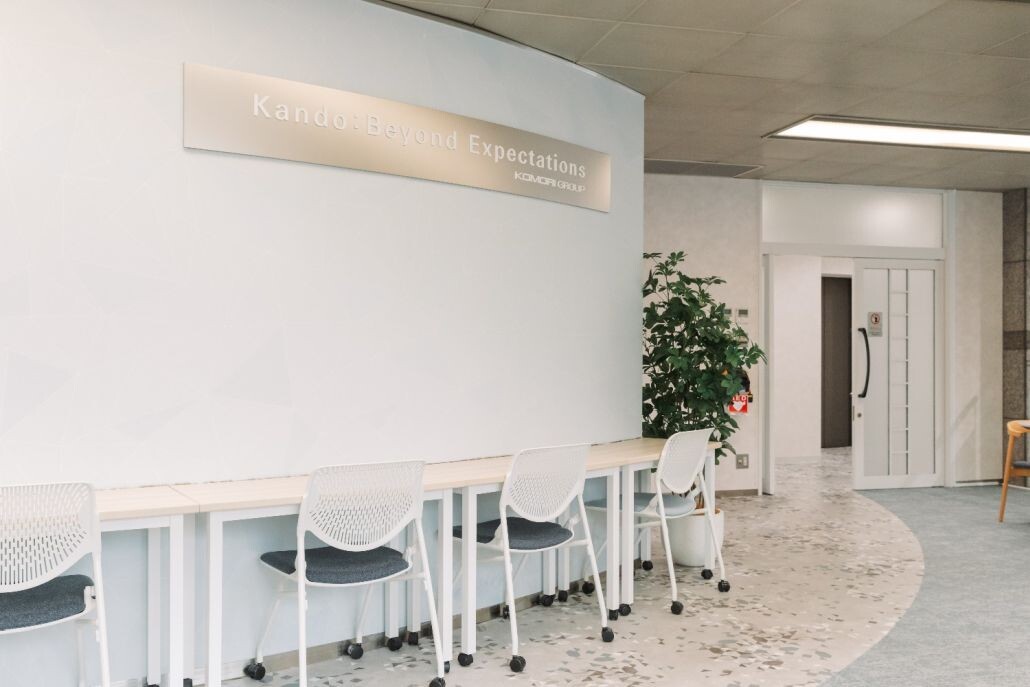
A Major Office RenovationThree years ago, the headquarters underwent a major renovation and introduced a free‑address seating system. By removing barriers between departments, a more open and approachable atmosphere was created, leading to smoother communication among employees. Collaborative projects involving multiple departments are now steadily increasing.
③: Supporting Workplace Comfort--Starting from Home

Housing support is also comprehensive. In response to rising rent costs in recent years, Komori has enhanced its housing support program for younger employees, focusing on creating an environment where they can continue working with peace of mind.
Komori Club: A Versatile Space for Relaxation and Connection
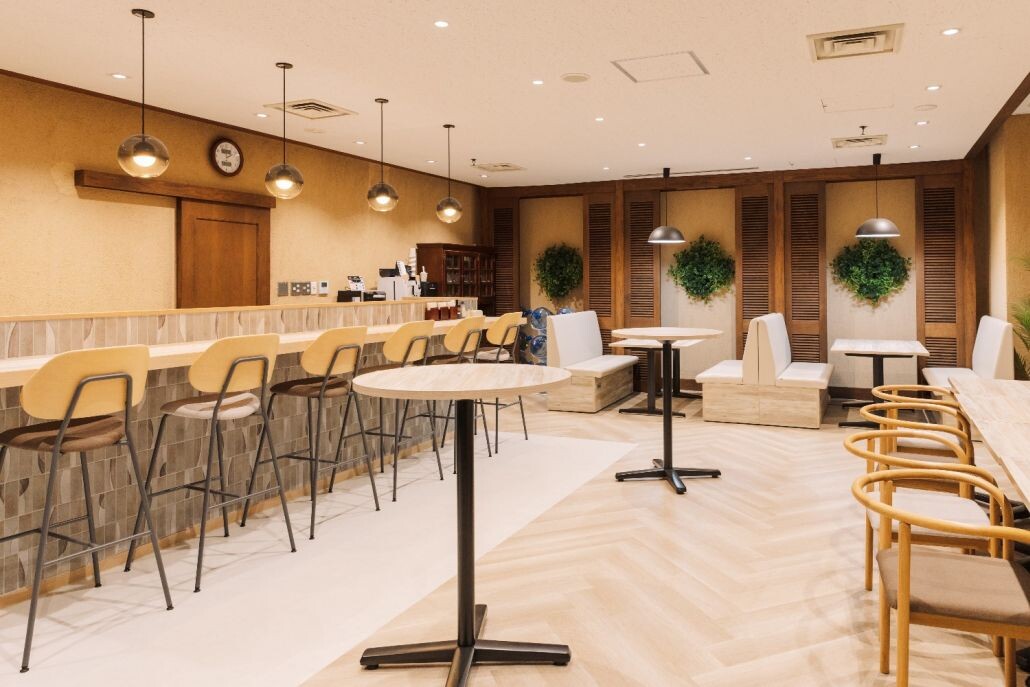
More than just a place to take a break, Komori Club is a multipurpose relaxation space used for internal communication, casual conversations, and small meetings."IRODORI" - The Company Cafeteria at Headquarters
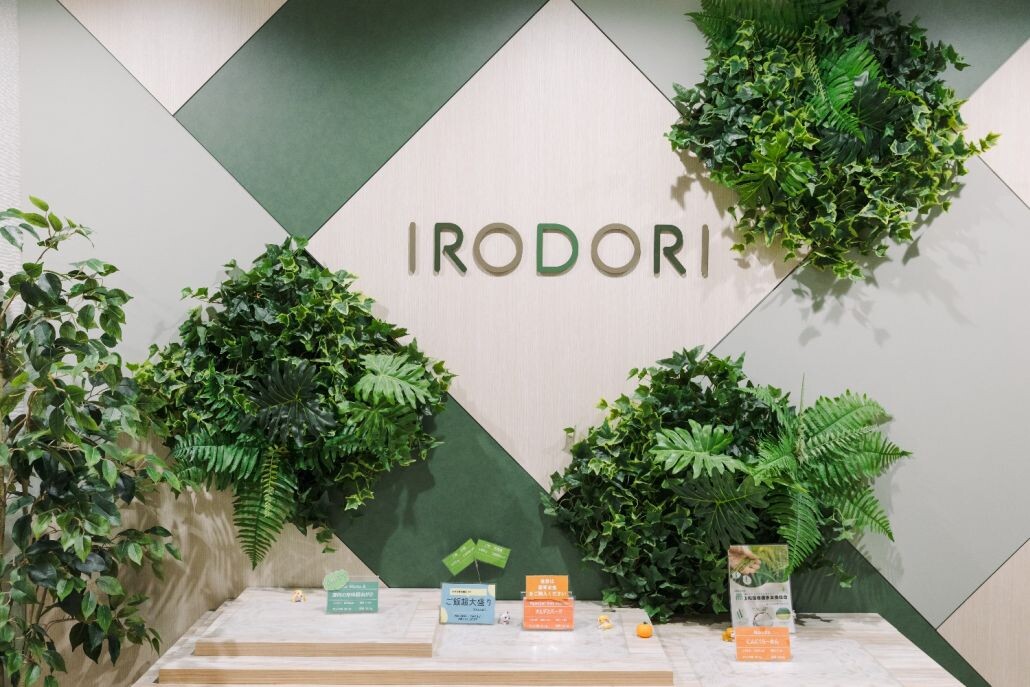
The company cafeteria at our headquarters, IRODORI, was named based on the theme of "harmony with nature," inspired by landscapes colored naturally by the surrounding environment. It represents the many forms of "color" at Komori--beautiful color expression enabled by printing presses, the communication that takes place in this space, and the meals served here. By writing the cafeteria's name in capital Roman letters, we intentionally brought its sound closer to "Komori," while subtly embedding the hidden message of "I," "O," and "O" as a symbolic reference to our journey beyond our 100th anniversary.
To ensure employees can enjoy their lunch breaks comfortably even during peak hours, thoughtful operational measures--such as staggered usage times by department--have also been implemented.
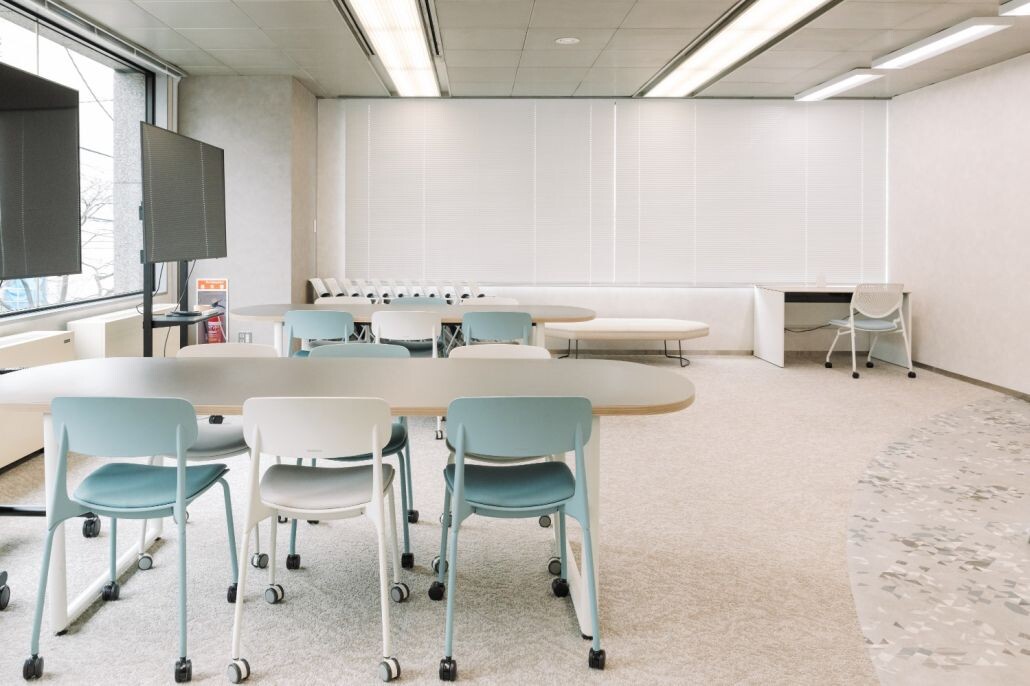
An open meeting space with movable desks that can be freely rearranged.
Its open and flexible environment encourages the emergence of new ideas and unexpected insights.
Editor's Note
Seeing banknotes and passports again reminded us of a simple truth: each one begins as nothing more than a single sheet of paper, brought into existence through printing. Although machines perform the printing, it is people who operate them--and in the relentless pursuit of precision without deviation, we sensed the quiet romance of work itself. (Seya)
Both interviewees ultimately spoke not about machines, but about people, and through this, we sensed a strong and authentic company culture. From now on, every time I hold a banknote in my hand, I feel that I will picture the faces of everyone at Komori working behind it. (Furukawa)
Photo:NAOKI SHIMODA(Official website:http://shimodanaoki.com)
Text:KAORUKO SEYA(Instagram:@kaorukoseya)
Illustration: Okuta
To read original article (Japanese):
https://www.starts-cs.co.jp/coppo/article/komori01/
https://www.starts-cs.co.jp/coppo/article/komori02/
This article is translated and reprinted from metro min., a series "Working Is Interesting," Vol. 24.
About metro min.
The metro min. is a lifestyle magazine distributed free of charge at 53 major Tokyo Metro stations with high passenger traffic. The magazine is published monthly. Under the theme "Hints for a rich life can be found in everyday local moments," it introduces noteworthy people, places, and experiences from across Japan. Each issue has a circulation of 100,000 copies, all of which are fully distributed within 6-7 days.
About "Working Is Interesting"
This series visits companies where people work with smiles, listening to each individual's perspective on the value of work. A company filled with smiling employees is surely a good company. And as the number of smiling employees grows, the company becomes even better. As good companies increase, society as a whole will gradually become a better place. At the heart of all this is the smile of employees. Through this feature, we travel across Japan to collect the smiles of great employees at great companies.