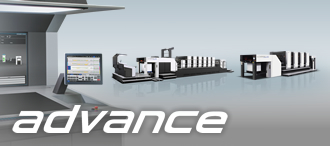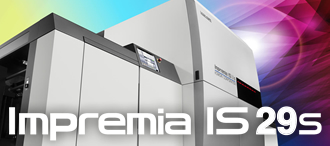

Based on the content of the Komori Integrated Report 2025, this article introduces Komori's technologies and the value of printing. This first part focuses on the different printing methods used for packaging and Komori's outlook.
● Packaging has the power to evoke memories and emotions.
● Printing technologies support the wide variety of packaging we encounter in our daily lives.
● Different printing methods are used according to specific applications and purposes.
● Komori combines multiple printing methods and technologies to deliver value.
● Packaging has evolved throughout history.
"Do you have a package that you cannot throw away?"
Packages that leave a lasting impression always have a story behind them.
Recollections of a gift or a design that brightened up a special moment resonate with
the emotions of people and remain forever etched in their memory.
The power of printing gives shape to such memories.
Komori is the one holding up that feeling of Kando "beyond expectations" from behind
the scenes.
High-quality printing technology breathes new life into packaging.
Printing is culture - it is a bridge connecting people's memories and emotions.
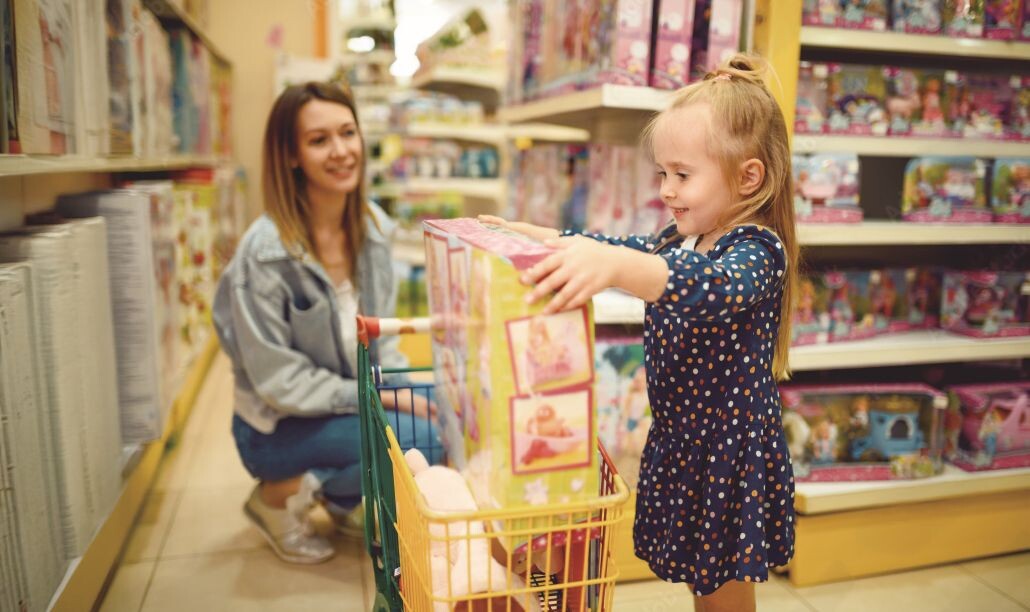
When we look around, we find printed package products all over the place:
From packages of food and beverages, boxes of medical supplies, and various stickers
and labels to cardboard boxes frequently used for delivery services.
Komori's printing technology makes its presence felt not only in packages but also in
places you otherwise tend to overlook.
Outlook for printing methods and Komori's technology
Offset printing, which is used to print more than half of all printed materials, is cost-effective, offers high print quality, and can be used for most print products.
Intaglio printing is indispensable for preventing counterfeiting of banknotes, and gravure printing, a type of intaglio printing, is superior in high-definition printing and color reproduction required for printing postal stamps, high-grade labels, and flexible packaging.
Relief printing is used for number printing. Flexographic printing, a type of relief printing, is an environmentally friendly technique used for special materials, such as cardboard and hygiene products.
Screen printing is used not only for apparel but also for circuit boards used in smartphones, etc.
Digital printing is good for high-mix small-lot printing and produces almost no wastepaper.
Komori has been supplying printing presses for all of these various printing methods around the world. With our latest group of products, we are opening up the future toward sustainable and high-quality package printing by combining these technologies in a hybrid manner and also by incorporating flexographic printing technology of a company that we acquired recently.
Komori's printing technology supports our everyday lives and continues to deliver a sense of security and value to society.
History of packages
The history of wrapping paper and packaging reflects the evolution of human culture and technology from ancient times to the present day.
In ancient times, humans wrapped things with natural materials, such as plants or animal hides. Later, they began storing things in earthenware or metal or wooden containers.
Paper was invented in China in the middle ages and is said to have been used not only for maps and as a medium for recording texts but also as wrapping paper for protecting valuable items, such as bronze mirrors and manuscripts.
Subsequently, the papermaking technique made its way from China to Japan and Europe, and its commercial importance began to grow in the form of recording paper and printed and wrapping materials.
Earlier, ornaments, furniture and fixtures, and valuable manuscripts were stored in boxes made of wood or metal; however, over time, people began to use paper containers and boxes for this purpose. People also made paper boxes decorated with fabrics.
With the Industrial Revolution, the mass production of paper became possible, and the variations of paper, such as thick paper and cardboard, grew in number. These paper varieties and the progress in printing technology enabled value-added decorations, including printed brand names and designs.
Currently, with the expansion of the range of available materials and the improvements in printing quality, there is an abundance of choices: flexible packaging materials that ensure the safety and hygiene of food and pharmaceuticals, paper- and resin-based packages suitable for a wide range of purposes from freezing and cooking, and full-color cardboard boxes with functionalities.
Furthermore, growing environmental awareness has led to the use of sustainable materials and digital printing for small-lot customization. Packaging applications, such as stickers and labels, flexible packaging, paper containers, and cardboards, currently account for more than half of the printing market in Japan.